
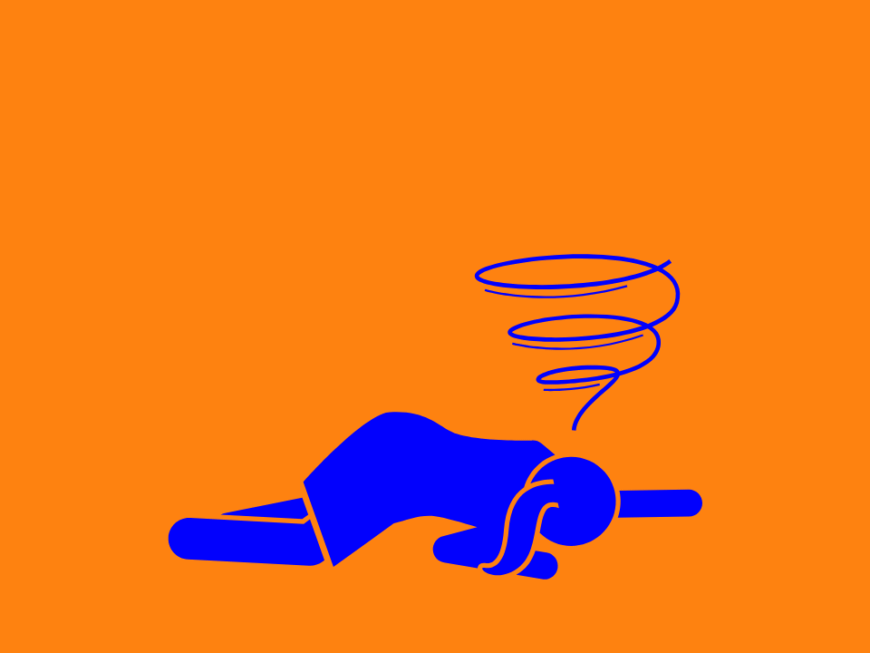
“Brittany” (a made up name for a real person) flung herself to the floor screaming that she couldn’t take it anymore when a security officer pulled her aside at school for wearing a midriff-bearing shirt.
Later in her principal’s office, she disclosed what led to the reaction:
She was overwhelmed from taking care of her grandmother.
Brittany’s story landed in my inbox thanks to my sister sending me a story by Dr. Helen Ouyang in the New York Times Magazine:
“The U.S. Relies on Family Caregivers. Millions of Them Are Kids.”
The story gripped me and I replied:
“This makes me want to scream. … Again, I come back to neighbors.”
Of course, we can and must do better as a nation at caring for our children. But I was thinking…
If we learned about our neighbors, we’d undoubtedly reveal the stories of caregivers, children and adults alike. With that knowledge in hand, we can then offer something simple to lighten a caregiver’s load:
Would it help if I picked up a prescription for you?
Would you like me to sit with your mom while you go for a walk?
If we all did a little, the net effect would be a lot.
Brittany’s principal called learning about Brittany’s plight her “awakening.”
If it’s surprising or distressing to you that even a principal was in the dark about caregiving burdening her student(s), commit to talking about this issue to let it be known by learning from people working on it (see below).
And by learning, we can set the record straight.
The only viral post I’ve made on social media was about child caregivers. I was glad the message took off but dismayed by many of the comments:
Kids should help at home!
It’s their duty!
Such comments tell me that we’re due for a mass awakening.
Child caregivers are de facto healthcare workers.
Besides Brittany, Ouyang’s story introduces Isabella, now 15.
Following her mother’s surgery, Isabella “would skip school to milk the tube that drained her post-op fluid, even as she feared pulling the tube out.”
She also changed her mother’s bandages and controlled infection, all of which constitutes healthcare work to me. In addition, she works at the mall to help pay the rent. And earlier this year, she started caring for her father who has a serious heart condition.
Olga, another child in Ouyang’s story, manages her mother’s advanced diabetes, dialysis and partial feet amputations.
This is more than kids merely helping at home!
This is not their duty!
To make matters worse for caregiving youth, there are forces that contribute to keeping them hidden. Ouyang writes:
“42 states consider a parent’s disability as a reason to terminate parental rights,” and, “Identifying those who care for family members can also mean having to reckon with child labor laws.”
Currently, the American Association of Caregiving Youth is the only organization in the U.S. working solely on addressing caregiving youth issues.
If you believe that kids should be kids and not care managers and nurses, follow them.
I can’t share a gift link to Ouyang’s story because financially recovering after caregiving has proven harder than I thought and I’m no longer paying for news.
That’s a story for another day.
But here’s a link to a post where you can read it without a paywall.

Published by